
What Is TPO Roofing?
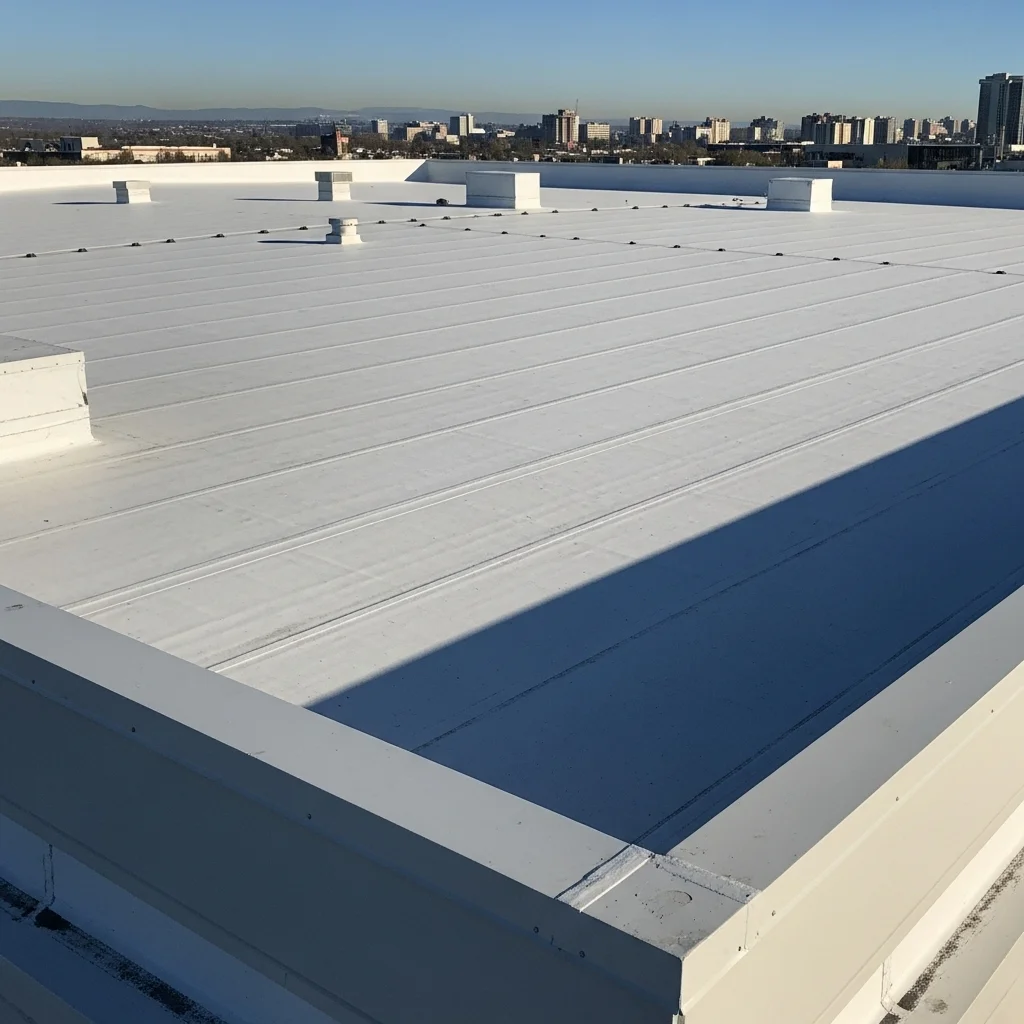
TPO roofing, short for thermoplastic polyolefin, is a type of roof material used mainly on flat or slightly sloped roofs. It is usually bright white and reflects sunlight, which helps keep the building cooler and can lower air-conditioning costs in hot weather. TPO is strong, flexible, and fairly easy to install, so it’s often used on roof dormers, garages, covered patios, and other small structures. Because it is lightweight, contractors can handle and install it more quickly. People like TPO roofing because it lasts a long time and can handle strong sunlight and high heat without getting damaged. It is also considered eco-friendly and gives a clean, bright look to a roof. TPO roofs don’t need much maintenance, but sometimes they may need a light cleaning if dust, leaves, or other debris build up on the surface.
Why TPO is a Good Choice for Flat or Low-Slope Roofs
TPO roofing works really well on flat or low-slope roofs, which are roofs that slope less than 2 inches for every 12 inches. On these roofs, water moves slowly, so it’s important to use a roofing material that can stop water from sitting on the surface. Regular shingles don’t work well on low-slope roofs, but TPO creates a tight, secure seal that follows building rules and manufacturer instructions. This strong layer helps prevent leaks and water damage, even when it rains a lot. Another benefit is that insulation can be added under the TPO roof to keep the building warmer in winter and cooler in summer. This makes the space more comfortable and can save energy. TPO is a great choice for both homes and businesses because it lasts a long time, protects well, and gives good value.
Table of Contents
- What Is TPO Roofing?
- Why TPO is a Good Choice for Flat or Low-Slope Roofs
- Comparing TPO Roofing to Other Materials
- Understanding the Anatomy of TPO Roofing Systems
- Step-by-Step Guide to TPO Roof Installation
- Costs and Budget Considerations for TPO Roofing
- Maintaining and Extending the Life of a TPO Roof
- Pros, Cons, and Practical Tips for TPO Roofing
Comparing TPO Roofing to Other Materials
TPO is often compared to other flat-roof materials such as EPDM and PVC. One of its major advantages is that it is lighter and more flexible, which makes installation easier and faster. Its naturally reflective surface also helps reduce energy costs by keeping the roof cooler. While PVC is extremely durable, it tends to be heavier and more expensive. EPDM rubber performs well in harsh weather conditions, but it does not reflect heat as effectively as TPO. Although each roofing material has its own strengths, TPO offers a well-balanced combination of durability, energy efficiency, and a clean, modern appearance that many homeowners appreciate.When selecting the right roofing material, factors like cost, expected lifespan, and maintenance needs all play an important role. TPO is often viewed as a smart and up-to-date choice because it supports lower energy use and provides a smooth, attractive finish that enhances the overall look of the roof.
Understanding the Anatomy of TPO Roofing Systems
A complete TPO roofing system consists of the TPO membrane itself, the insulation installed beneath it, and the essential components that ensure the roof remains watertight. Basic systems may use fabric-based insulation, while more durable systems rely on full structural insulation to improve temperature control and extend the overall lifespan of the roof. Before installation begins, the roofer must carefully inspect the roof deck for rot, weak areas, existing damage, or debris, as any of these issues can interfere with how well the TPO membrane adheres to the surface.Additional parts of the system such as fasteners, flashing, and specialized sealants are critical for protecting edges and areas where vents, pipes, or other rooftop structures penetrate the surface. Proper overlapping of TPO sheets, along with securely welded seams and reinforced edges, helps prevent water from seeping into the home. When all components are installed correctly, the roof gains long-lasting strength and reliable protection throughout a wide range of weather conditions.
Step-by-Step Guide to TPO Roof Installation
Before installing a TPO roof, the existing roof surface must be thoroughly inspected to identify any damage, weak decking, or areas affected by rot. After necessary repairs are completed, the surface is cleaned so the membrane can lay smoothly and bond properly. Once the deck is prepared, insulation is added to improve temperature control and increase the building’s energy efficiency. The TPO membrane is then rolled out, carefully aligned, and positioned with the correct overlap at each seam. The membrane is secured using either mechanical fasteners or adhesive, depending on the roofing system being used. Hot-air welding is then applied to all seams, creating a strong, watertight seal. Flashing is installed around chimneys, skylights, vents, and other roof penetrations to prevent leaks. A final inspection follows to verify that seams, edges, and alignments are correct, and any remaining debris is removed. Ongoing maintenance such as checking seals, cleaning the surface, and watching for minor punctures helps ensure that the TPO roof performs well and lasts for many years.
Costs and Budget Considerations for TPO Roofing
The cost of TPO roofing generally ranges from $4 to $10 per square foot. The final price depends on several factors, including the size of the project, the type and amount of insulation required, and the quality of the installation. Full structural insulation typically costs more than basic insulation, but it provides better long-term performance and can extend the overall lifespan of the roof. Larger projects such as commercial roofs often have a lower cost per square foot because materials can be purchased in bulk. When creating a budget, homeowners should consider the timing of the roof replacement, the specific materials they prefer, and the full scope of the project. A high-quality installation plays a major role in how well the roof performs over time, making it important to select materials and installation methods that align with the owner’s long-term goals and expectations.
Maintaining and Extending the Life of a TPO Roof
Regular maintenance is essential for keeping TPO roofs strong and extending their lifespan. Homeowners should inspect the membrane, seams, and flashing at least once or twice a year to ensure everything remains secure and watertight. It is also important to remove leaves, dirt, and other debris that could keep water from draining properly. Addressing small issues such as minor punctures or loose seams as soon as they appear can prevent larger, more costly repairs in the future.Consistent care helps the roof maintain its energy-efficient performance and clean appearance. With proper maintenance, a TPO roof can last up to 30 years, providing the homeowner with a long-lasting, durable, and cost-effective roofing system.
Pros, Cons, and Practical Tips for TPO Roofing
Advantages: TPO is lightweight, flexible, energy-efficient, and highly resistant to heat and UV exposure. It performs exceptionally well on flat and low-slope roofs, is environmentally friendly, and gives the roof a bright, clean, and modern appearance.
Challenges: TPO is a relatively newer roofing material compared to older options, so there is less long-term performance history available. Its quality can also vary from one manufacturer to another, making product selection important. Because of this, choosing a skilled and experienced installer is essential to ensure proper installation and prevent leaks or other issues.
Tips:
Select a roofing contractor with proven experience in TPO installation to ensure the job is done correctly. Choose the appropriate insulation to enhance comfort and energy efficiency, and pay attention to the thickness of the TPO membrane while understanding the terms of the warranty. Avoid attempting a DIY installation unless you have prior roofing expertise, as properly welding TPO seams requires specialized training. Schedule annual inspections to maintain the roof’s performance and longevity.